

The Challenge
Thousands of stores with specialized systems.
Large grocery and retail chains operate hundreds, sometimes thousands, of stores. On paper many of them look alike, but each one uses energy in its own way. Two stores built to nearly the same specifications can perform very differently depending on how they’re operated, how well their refrigeration is maintained, and how long it’s been since their last renovation. As a result, each store has its own problems and its own opportunities for improvement.
Grocery stores are especially hard to analyze. Refrigeration runs around the clock, is often the store’s largest single energy use, and is tightly coupled to other systems: open refrigeration cases chill the sales floor and raise heating loads, while heat rejection from refrigeration simultaneously offsets space heating and hot water demand. Refrigerant leaks add another layer. They’re a major source of emissions, yet they often don’t show up in a standard energy model. An on-site audit can untangle some of this, but auditing every store in a large portfolio would take years and cost far more than most owners can justify. Prototype models and templates are faster, but they flatten exactly the store-to-store variation that defines these portfolios.
The Solution
A calibrated model for every store.
Carbon Signal builds a calibrated energy model for every store, starting with data portfolio owners already have: store type, location, floor area, and monthly utility bills. Electricity bills alone are enough. Combining physics-based simulation with machine learning, Carbon Signal infers the characteristics that drive each store’s energy use and emissions, from refrigeration loads and heat recovery effectiveness, to envelope and HVAC performance. Carbon Signal also estimates refrigerant leakage emissions from each store’s refrigeration system, so owners see the full emissions picture.
By having a unique model for every store, Carbon Signal preserves store-level differences and highlights site-specific opportunities for improvement across the whole portfolio. It also allows portfolio owners to test their own measures, like doors on refrigerated cases, heat recovery, demand defrost, or full electrification, against each store's unique, calibrated baseline.
The Impacts
Audit-quality data without auditing every store.
For Whole Foods Market, Carbon Signal modeled 800 stores in minutes. Forty of those stores had recent detailed audits by third-party firms, which let us compare the two directly. The Carbon Signal models matched the audits on about 90% of findings, both on how each store’s energy use breaks down by end use and on the savings expected from each measure. Where they differed, the models often caught something the audits missed. In several stores, for example, they picked up natural gas use in summer months, when there’s no heating load, and attributed it to domestic hot water. That meant electrifying space heating would save less gas than those audits had projected.
More insights into refrigeration systems.
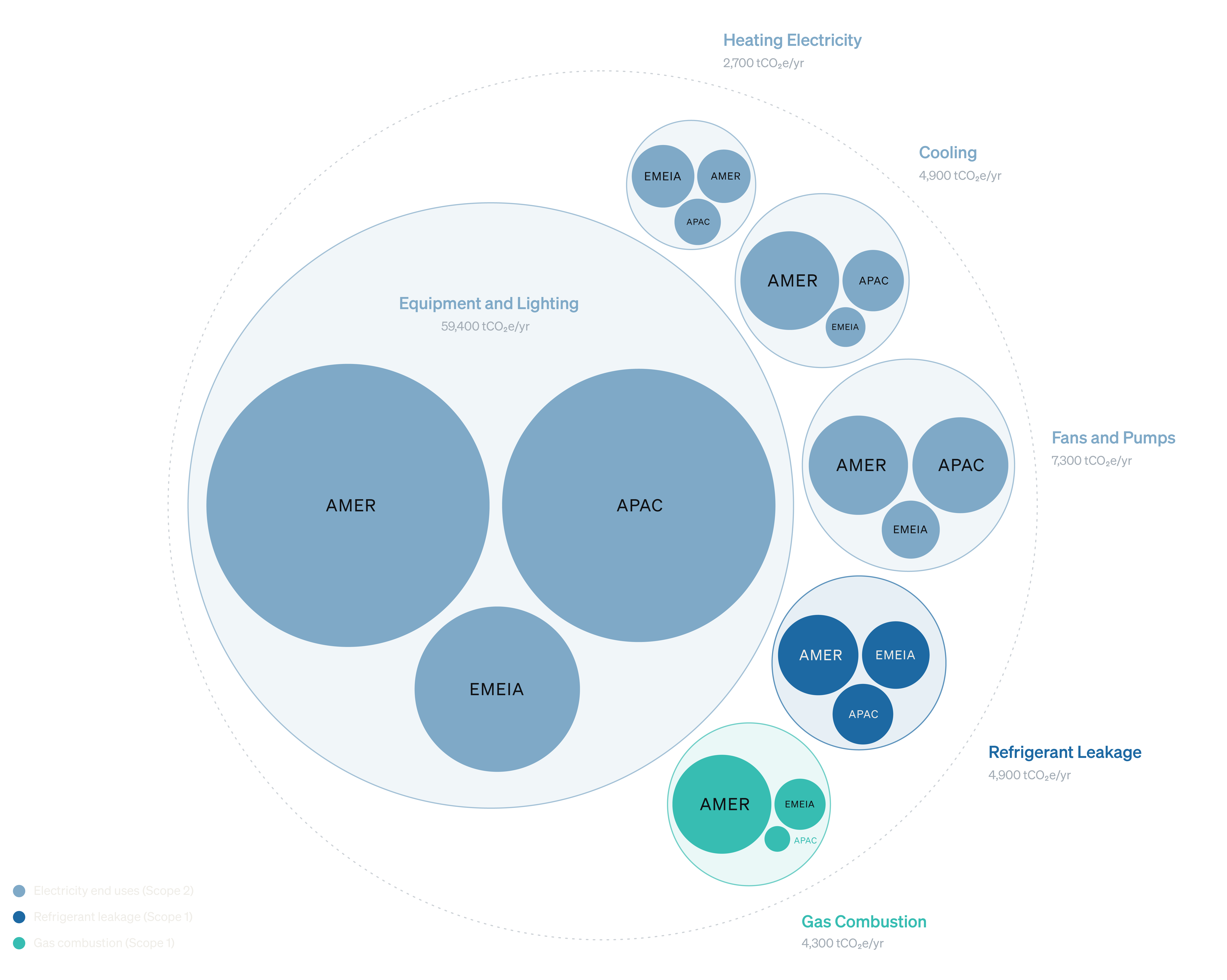
Carbon Signal models refrigeration explicitly, with daily and seasonal performance profiles. For Whole Foods Market and Walmart, this meant they could evaluate measures aimed specifically at refrigeration while capturing how those systems interact with other systems in the building - namely heating, cooling, and hot water. And because refrigeration is part of the same model as the rest of the store, Carbon Signal can also estimate refrigerant leakage, often one of a store’s largest sources of emissions, and one that frequently goes unreported.
Accelerating parallel workflows.
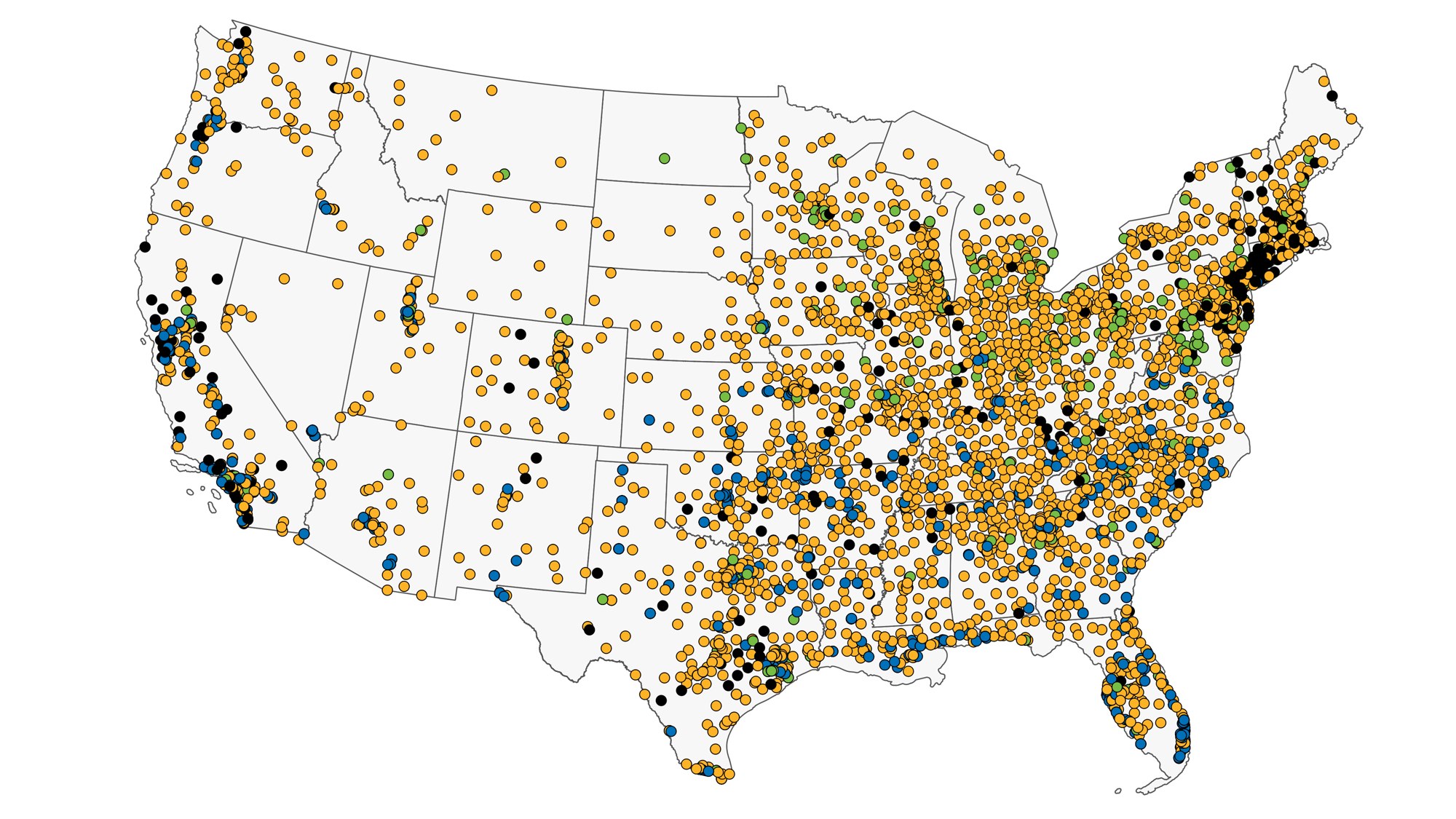
At Walmart, Carbon Signal’s calibrated models feed an internal electrification assessment tool. Walmart used to run these assessments one store at a time, using audit data as the input. Now, with zone-level data and hourly demand profiles for every store, the team can assess the energy and cost impact of electrification, identify the best utility rate structures, and size on-site generation across the entire portfolio at once. The models have become the backbone of a growing set of internal tools for Walmart’s Energy Transformation team.
About the Portfolios
Walmart operates more than 5,000 stores in the United States across Supercenter, Neighborhood Market, and Sam's Club formats. Its Energy Transformation team uses calibrated models of its store portfolio to evaluate efficiency, electrification, utility rates, and onsite generation. Whole Foods Market, part of Amazon, operates a portfolio of grocery stores worldwide. Its team uses Carbon Signal to generate store-level energy plans and test decarbonization measures across the portfolio.